
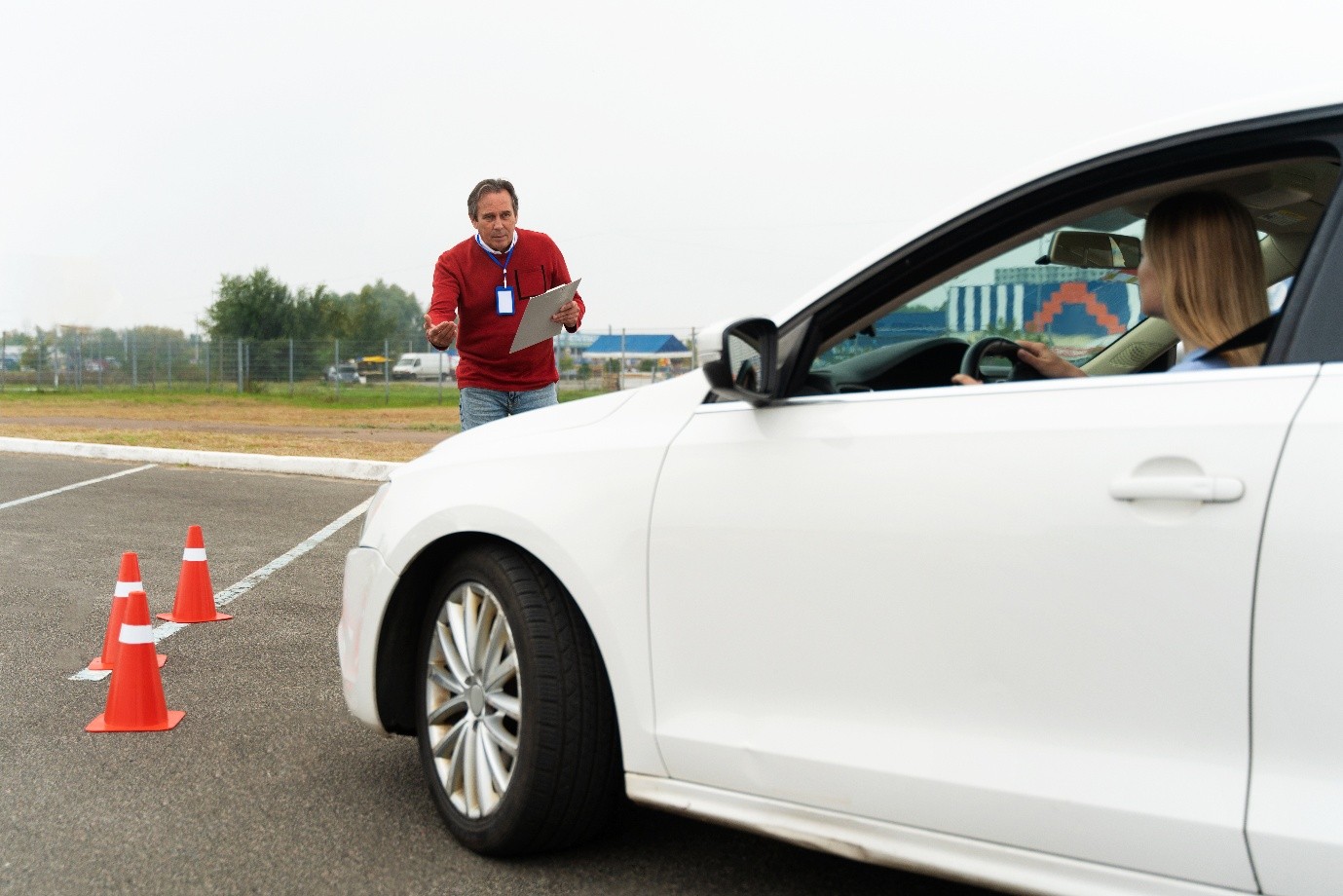
Learning to drive takes time, practice, and patience. A Class 5 driving mock road test helps learners evaluate their driving skills, recognize their strengths, and identify areas for improvement. With helpful feedback and regular practice, learners can develop safe driving habits and feel ready for their official test.
Why Do Mock Road Tests Matter?
A mock road test gives learners a chance to practice important driving skills with guidance from an instructor. Instead of feeling unsure, drivers learn which skills they need to improve and how to make safer decisions on the road. Each session focuses on real driving skills, not just remembering steps. Learners improve through practice, guidance, and repeated experience. These lessons help create safe habits that stay useful even after getting a license.
Most importantly, mock tests help drivers feel more relaxed. Confidence grows with practice, and every session helps learners become better drivers.
What Happens During a Mock Road Test?
A mock road test allows learners to assess their driving skills in a structured practice session. An instructor observes their driving and provides feedback to improve safety, control, and confidence.
The session may focus on:
- Checking mirrors and shoulders
- Changing lanes safely
- Controlling speed
- Handling intersections
- Following stop and yield signs
- Making left and right turns
- Parking correctly
- Keeping the vehicle in the right position
- Watching for hazards
- Braking and accelerating smoothly
After the test, learners understand what they are doing well and what areas need more practice.
Skills That Improve Through Practice
Regular practice makes driving easier and helps learners feel more comfortable. Mock tests improve many important driving skills.
Better Vehicle Control
Good control helps drivers stay safe on the road. Learners practice smooth steering, gentle braking, and steady acceleration. They also learn how to keep the vehicle in the correct lane and handle different traffic situations. Better control helps drivers stay calm and avoid sudden decisions.
Stronger Observation Skills
Safe driving starts with paying attention. Mock tests help learners build better habits, such as:
- Checking mirrors often
- Looking over the shoulder before changing lanes
- Watching for pedestrians and cyclists
- Reading signs early
- Keeping an eye on nearby vehicles
- Maintaining a safe distance
These habits help drivers notice problems early and make safer choices.
More Confidence With Parking
Parking can be difficult for new drivers. Regular practice makes it easier and less stressful.
Training may include:
- Parallel parking
- Uphill and downhill parking
- Angle parking
- Reverse parking
Each practice session helps learners improve control, accuracy, and confidence.
How Mock Tests Build Driving Confidence
Confidence comes from being prepared. A mock test helps learners practice different driving tasks in one complete session. Instead of worrying about every small mistake, drivers learn to focus on safe driving choices. Mistakes become chances to learn and improve.
Feedback from instructors helps fix problems and improve driving skills before learners continue driving independently. With time and practice, driving becomes more natural and comfortable.
Common Driving Mistakes Learners Can Fix
Small mistakes can affect safe driving performance. Mock tests help learners identify these areas early and improve their skills.
| Driving Mistake | Why It Happens | How Practice Helps |
| Missing shoulder checks | Rushing lane changes | Builds better checking habits |
| Rolling through stop signs | Poor speed control | Teaches complete stops |
| Driving too slowly | Low confidence | Improves speed control |
| Making wide turns | Poor steering control | Creates smoother turns |
| Incorrect parking | Not enough practice | Improves parking skills |
| Driving too close to others | Poor distance judgment | Build safer driving habits |
Fixing these mistakes helps learners develop safer driving habits and feel more confident behind the wheel.
Are Mock Driving Tests Worth It?
Yes, mock driving tests are helpful for learners. They give drivers valuable practice, feedback, and experience to improve their overall driving skills. Instead of guessing if they are ready, learners get clear feedback from an instructor. This helps them focus on areas that need more work.
Regular mock tests also help reduce nervousness. Learners become more comfortable driving in different situations.
What Is Behind-the-Wheel Training?
Behind-the-wheel training gives learners real driving practice with help from a trained instructor. Classroom lessons teach traffic rules, while driving lessons show learners how to use those rules on the road.
Training includes:
- Lane control
- Turning skills
- Spotting hazards
- Parking practice
- Speed control
- Safe driving habits
- Making good decisions in traffic
Each lesson helps learners become safer and more confident drivers.
How Professional Instruction Helps You Prepare
Learning with an experienced instructor gives learners the right guidance from the start. Instructors help identify mistakes and show better ways to handle different driving situations.
Professional lessons help learners:
- Build safe driving habits
- Improve awareness
- Understand road situations
- Fix mistakes early
- Make better decisions
- Gain confidence
These skills help learners prepare for the Alberta Class 5 road test and everyday driving.
Is Driver Education Worth It?
Driver education gives learners more than basic driving knowledge. It helps them learn safe habits through lessons, practice, and feedback. Instead of learning by trial and error, learners get support from trained instructors who explain safe driving methods.
Combining driving lessons with a Class 5 driving mock road test gives learners a better chance to improve skills and feel ready for their official test.
What Are the Most Common Driving Test Mistakes?
Many learners make small mistakes during their driving test. Regular practice helps prevent these errors.
Common mistakes include:
- Forgetting shoulder checks
- Not stopping fully at stop signs
- Driving too fast or too slow
- Turning into the wrong lane
- Parking incorrectly
- Missing road signs
- Following too closely
- Reacting late at intersections
- Not watching for pedestrians or cyclists
Mock tests help learners improve these skills and become more confident drivers.
Simple Tips Before Your Road Test
A little preparation can help learners feel calm and confident before driving assessments.
Follow these tips:
- Get enough sleep before the test
- Review basic traffic rules
- Wear comfortable clothes and shoes
- Adjust your mirrors and seat
- Watch your speed
- Look ahead while driving
- Keep both hands ready on the wheel
- Stay calm if you make a small mistake
A practice test helps learners understand their current driving skills, identify areas for improvement, and build the confidence needed for the Alberta Class 5 road test.
Build Safe Driving Skills for Life
Passing a road test is an important step, but safe driving continues for life. Every practice session helps drivers gain experience and handle different road conditions. Regular lessons, feedback, and practice improve control, awareness, and decision-making. These skills help drivers stay safe on neighbourhood roads, busy streets, and highways.
A good driver makes safe choices every time they drive.
Turn Practice into Driving Confidence
Building confidence for your road test starts with the right training. Tuscany Driving School helps learners improve their driving skills, build confidence, and develop safe driving habits through practical lessons that prepare them for the Alberta Class 5 road test.
Book your lessons today and take the next step toward becoming a safe and confident driver.
Frequently Asked Questions
Q.1. How do I choose the right driving school?
Ans. Choose a driving school with certified instructors, structured Class 5 training, flexible lesson schedules, and positive student feedback. Look for programs that focus on practical driving skills, road awareness, safe decision-making, and real driving experience instead of rushing through lessons.
Q.2. What is the best driving school for beginners?
Ans. The best driving school for beginners provides patient instruction, clear guidance, and practical driving lessons designed for new drivers. A structured learning approach helps build confidence, improve vehicle control, and prepare learners for everyday driving situations and the road test.
Q.3. What happens during my first driving lesson?
Ans. Your instructor introduces basic vehicle controls, explains safe driving habits, and begins with simple driving exercises based on your current skill level. The lesson focuses on steering, braking, observation, turning, and building confidence behind the wheel.
Q.4. How many driving lessons do I need?
Ans. The number of lessons depends on your previous experience, learning pace, and driving confidence. New drivers may require additional practice, while experienced learners may need fewer sessions to strengthen skills and prepare for the road test.
Q.5. How long does a driving lesson last?
Ans. Driving lesson length varies by program, but most sessions last between 60 and 120 minutes. Longer lessons provide more time to practise different driving situations, improve vehicle control, and develop safe driving habits without feeling rushed.
Q.6. What should I bring to my first driving lesson?
Ans. Bring your valid learner’s licence, comfortable footwear, and any required documents requested by your driving school. Arrive a few minutes early, be ready to learn, and ask your instructor any questions before the lesson begins.